Brazil
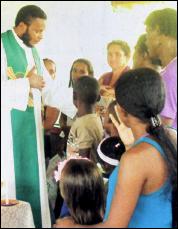
The focus of our multiple works in Brazil center around the unique manifestations of injustice and exploitation there: crusading against corruption, prison ministry, providing economic alternatives to ecological exploitation, as well as addressing the effects of injustice on parishioners.
Cameroon
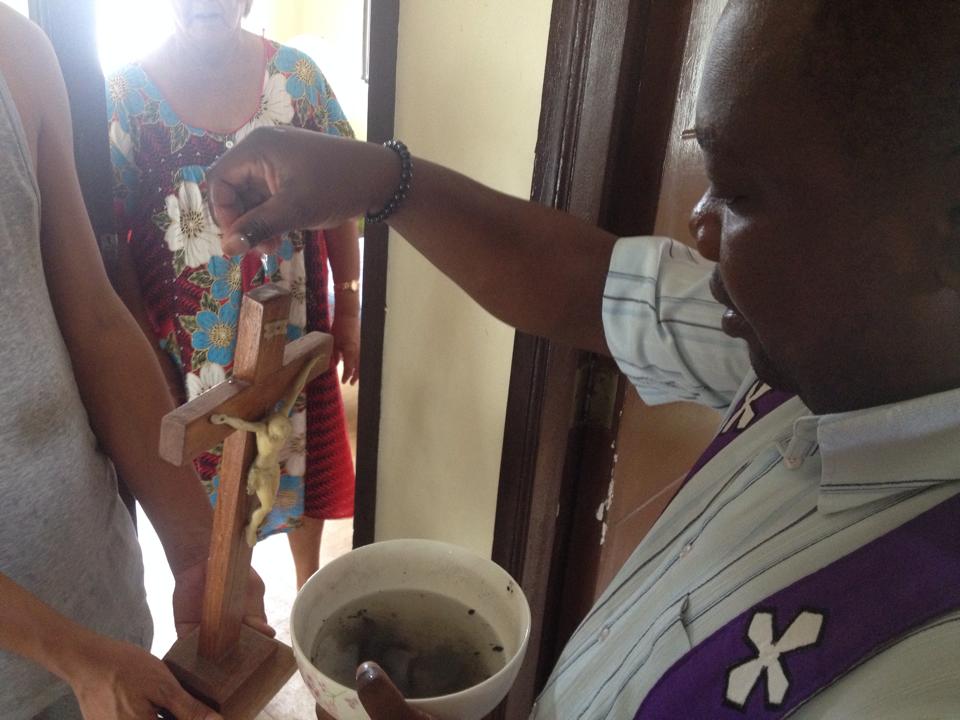
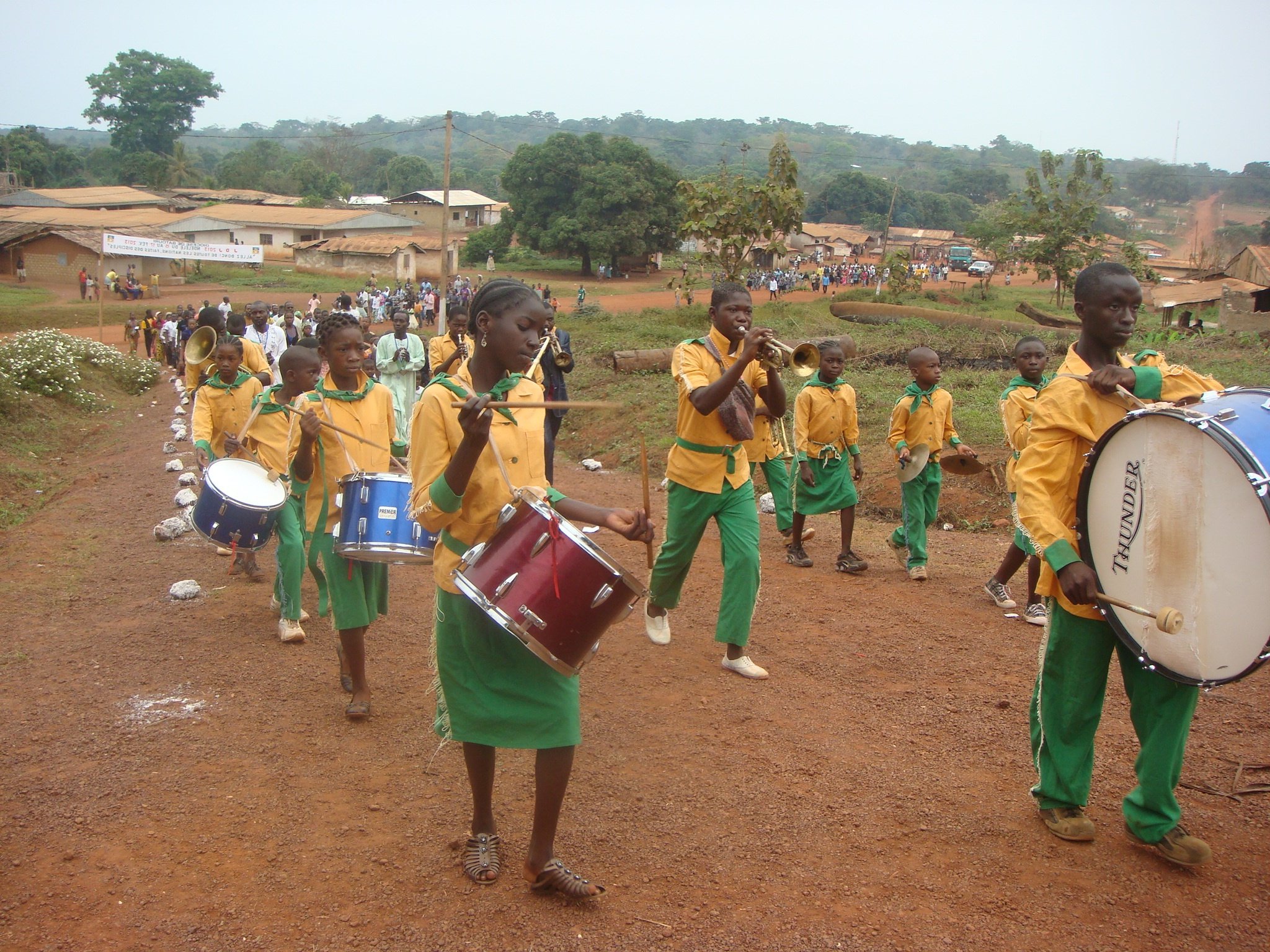
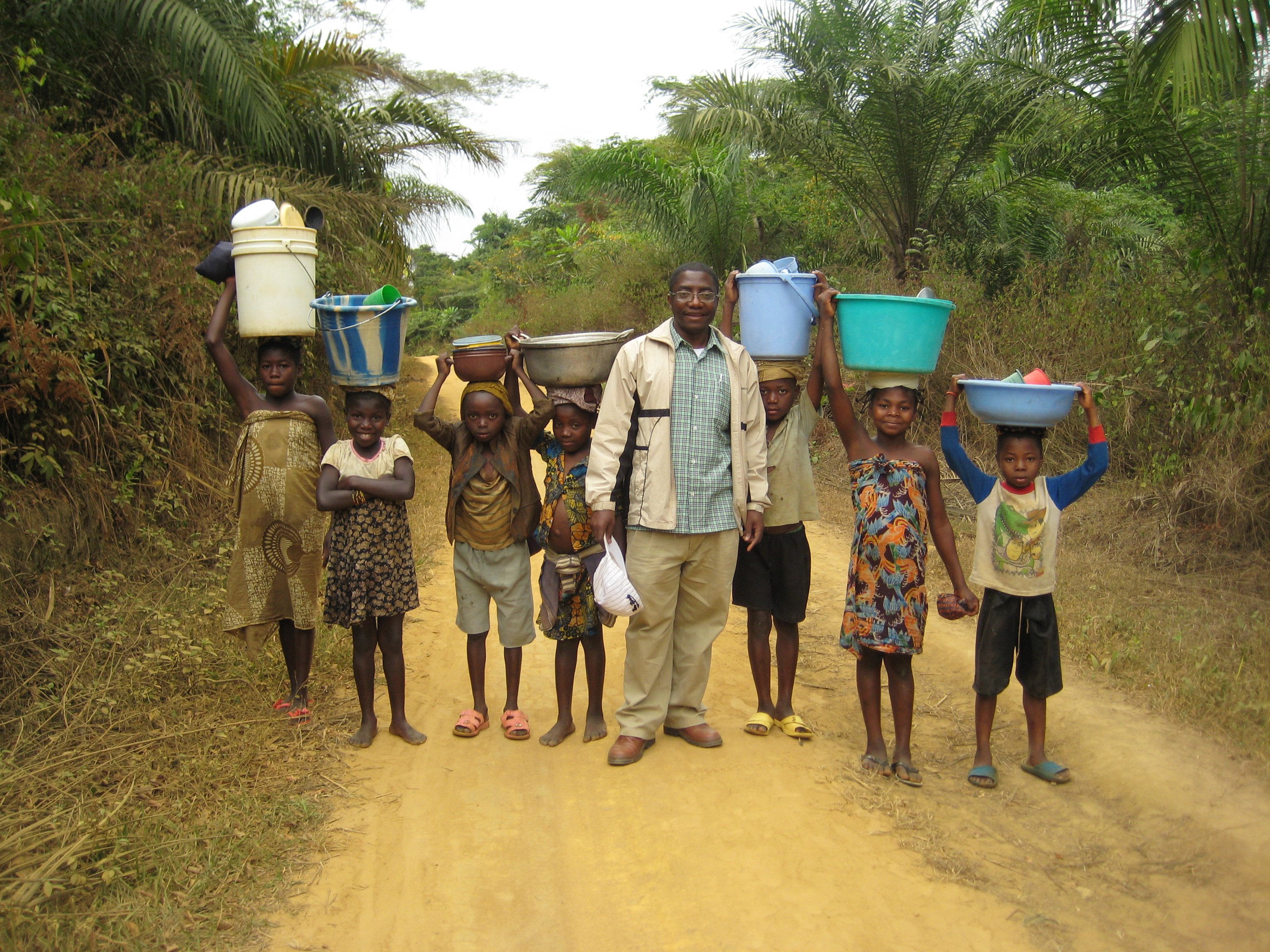
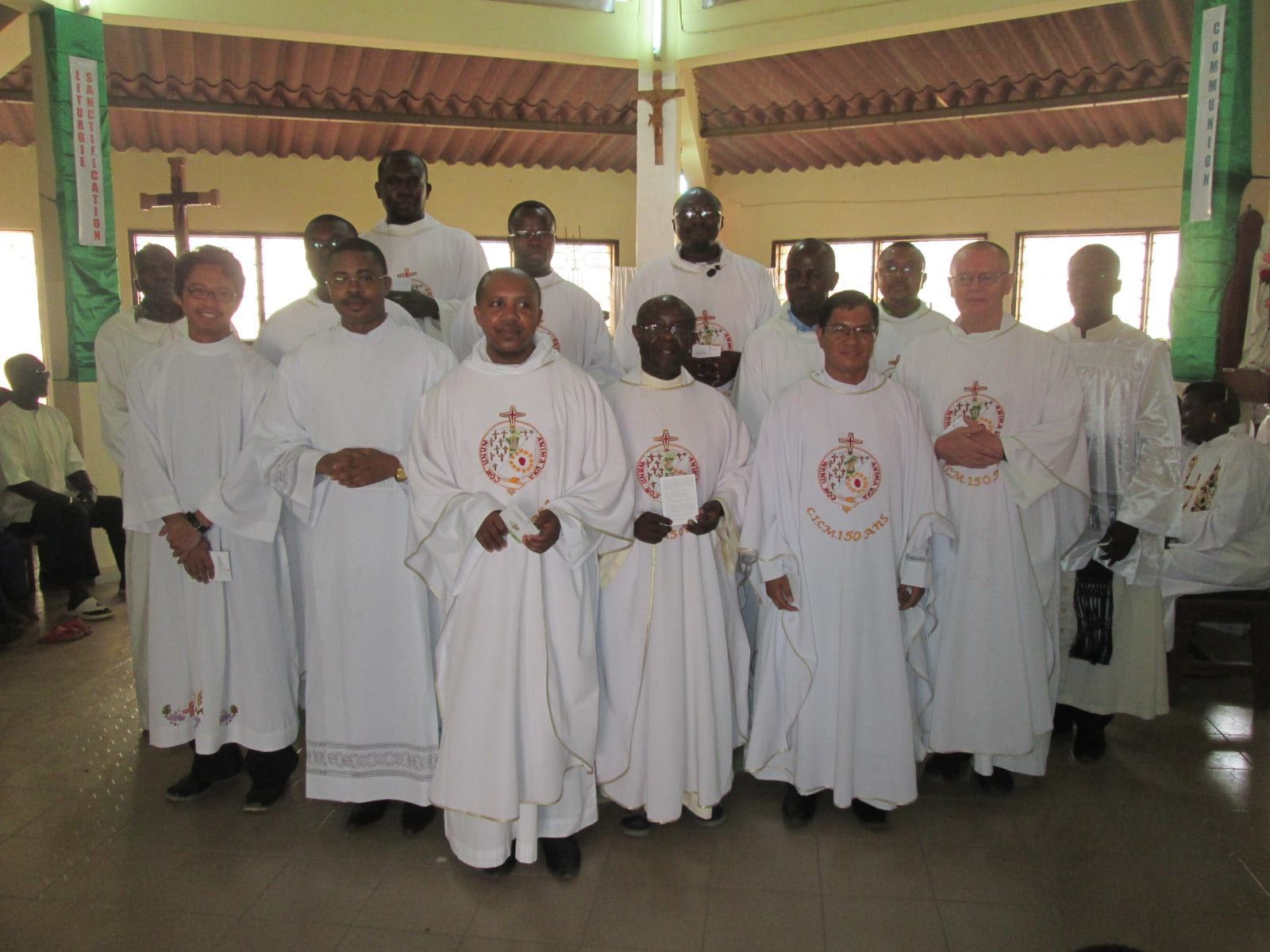
Since 1966, Fr. Moise Tam Nkude has been leading a work of evangelization despite the great challenges of poverty there.
DEMOCRATIC REPUBLIC OF CONGO
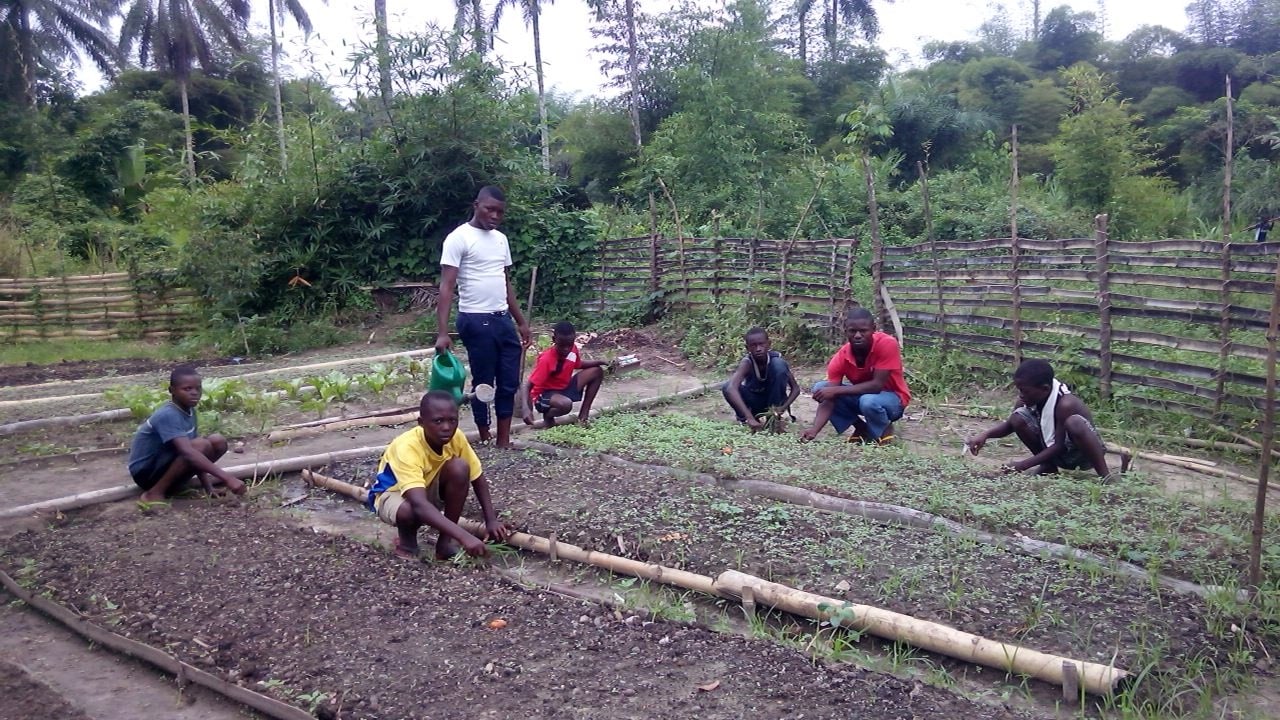
The “Youth of Light” youth group builds young men and women equipped to bring the Kingdom of God into whatever spheres of life God calls them.
GUATEMALA
In urban areas ravaged not just by poverty but constant violence, missionaries evangelize by walking alongside the poorest of the poor in every conceivable way, sharing the real dangers of their daily life.
HAITI
Left reeling after decades of poverty and major disaster, mountainous rural Haiti is now fertile soil for the work of missionaries who educate children, train lay catechists and Church leaders, and contribute to economic development.
INDONESIA
In a nation openly hostile to Christianity, the fires of revival has ignited a movement in the Catholic Church who now evangelize through dozens of small groups and minister to the material needs of the poor around them.
JAPAN
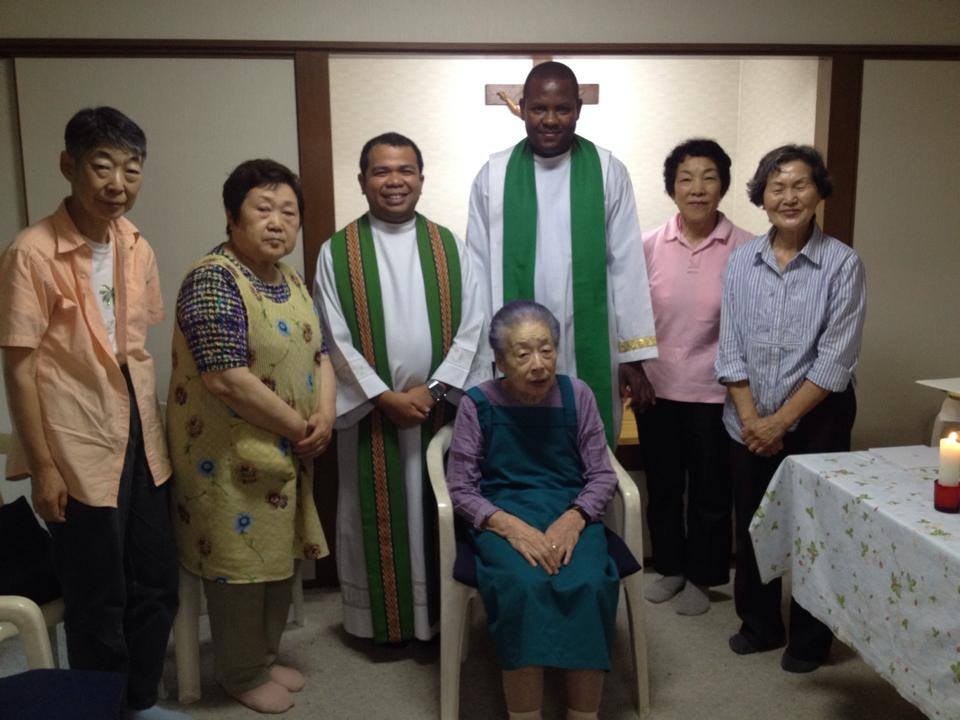
The youth of Japan have become well-known in the world for struggles with nihilism, adrift in the modern world. But a unique youth ministry is connecting youth to a sense of purpose in service to the Church and the world around them.
MEXICO
In villages without roads, water, schools, or clinics, native peoples struggle for bare survival. Missionaries work to create cottage industry so rural families will not just survive, but thrive.
MONGOLIA
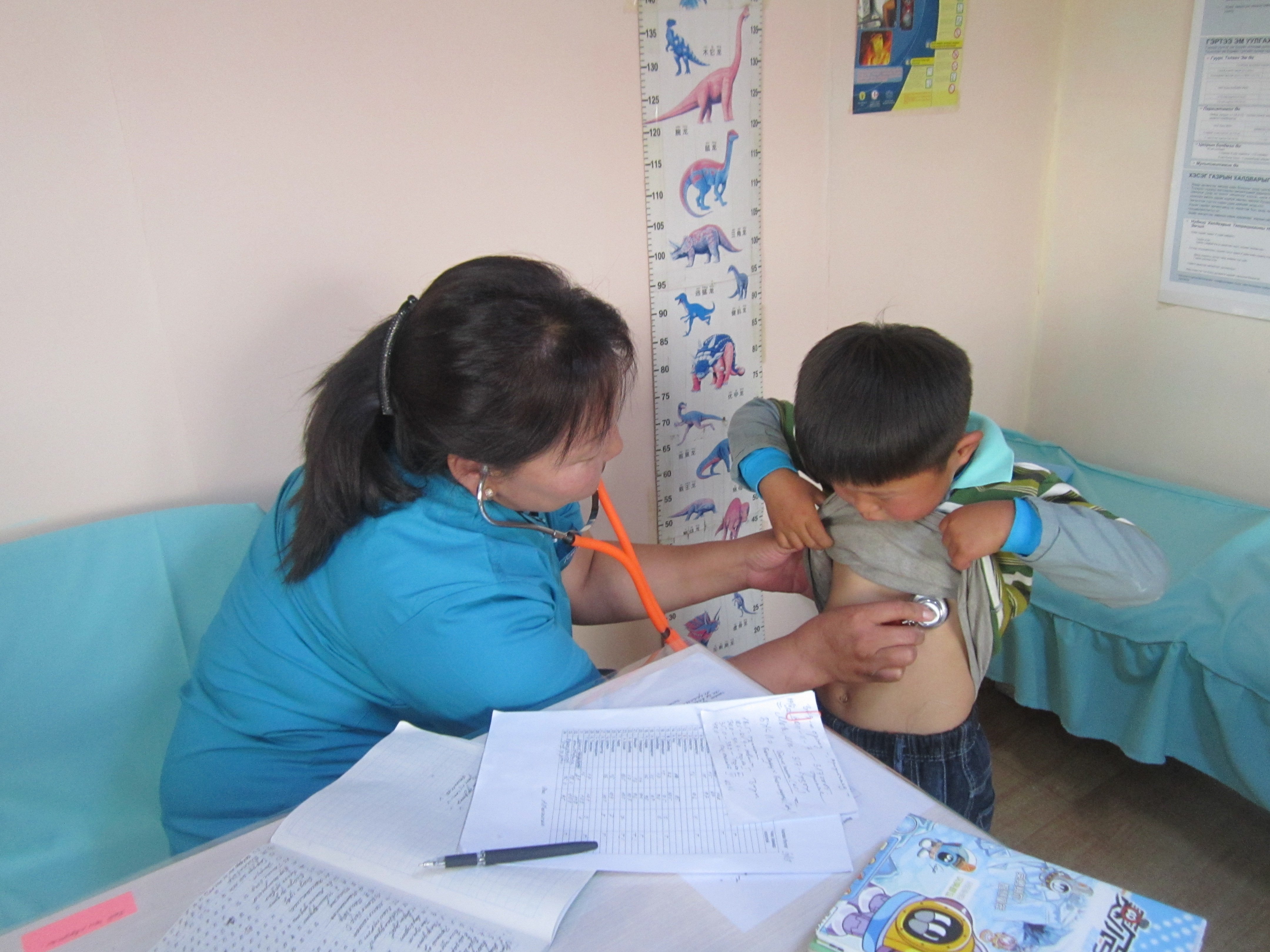
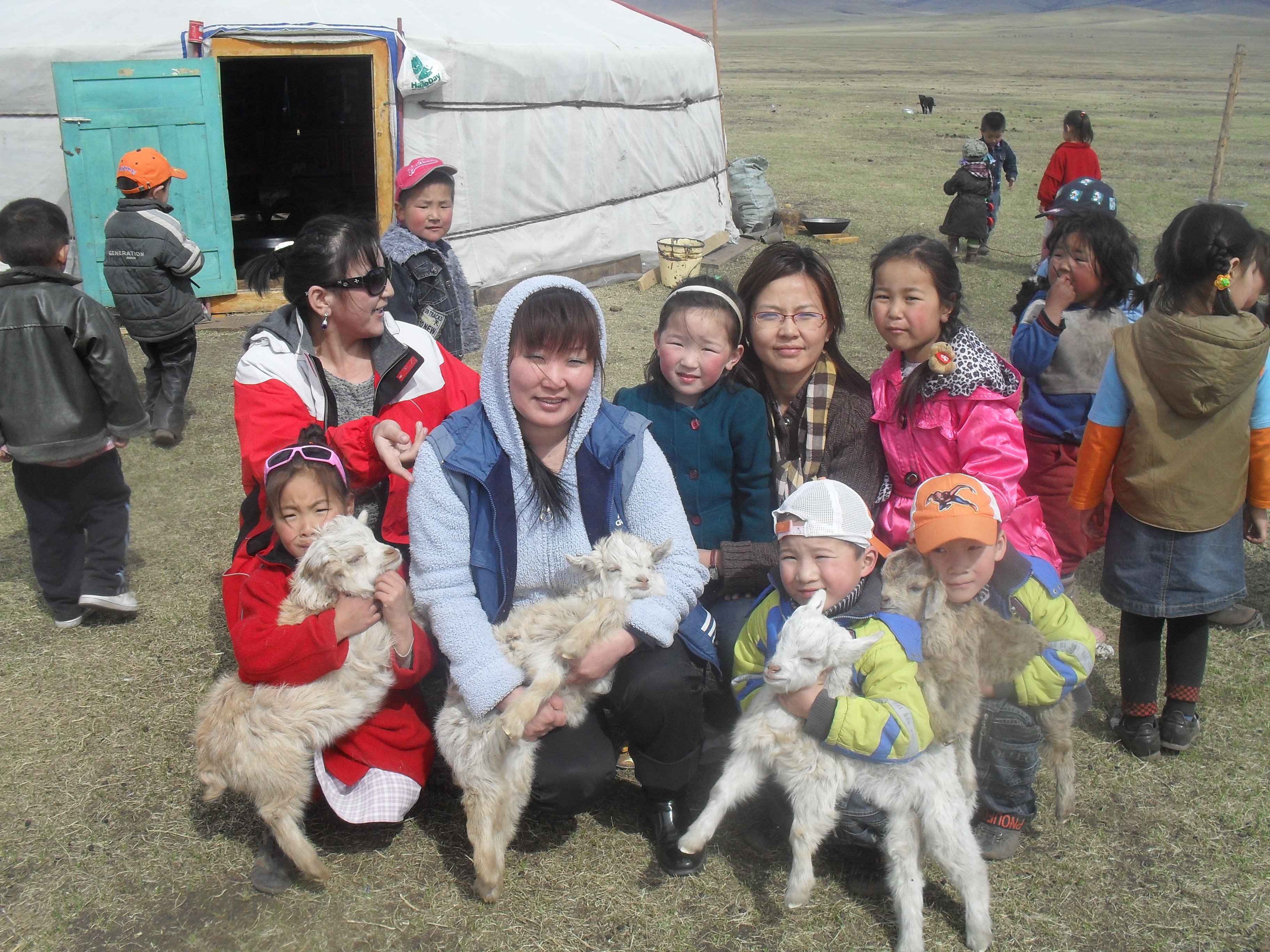
In urban areas filled with street children and surrounded by poverty, injustice and exploitation abounds. Missionaries provide refuge and hope through a special kindergarten for young children.
THE PHILIPPINES
A unique mission center, the Sunflower Children’s Center ministers to and advocates for abused and exploited children, while training psychologists and social workers in tools to address trauma.
Dominican Republic
The CICM religious missionaries of the Province of the Dominican Republic strive to follow the example of Jesus Christ in trying to fulfill their mission. They work together with the poor, marginalized and excluded of the Dominican Republic, proclaiming the Kingdom of God as a place of peace and justice and integrity of creation and universal brotherhood.
Hong Kong
By living in international communities and engaging in teamwork, we bear witness to the universal brotherhood, and we are signs of solidarity and unity among the particular Churches and the Universal Church of Jesus Christ in Hong Kong. Through our simple life style, we express our solidarity with the poor of Hong Kong, and we are “living witnesses” through modesty, hospitality, and sharing.
Senegal
CICM missionaries in Senegal are bringing the Gospel to a primarily Muslim country, working and witnessing among the poor in the suburbs of Dakar as well as in the northern Sahel region. Our missionary companionship in poor or difficult areas is intended to lend consolation and deliver the Christian message of hope to all our neighbors.
San Antonio, Texas
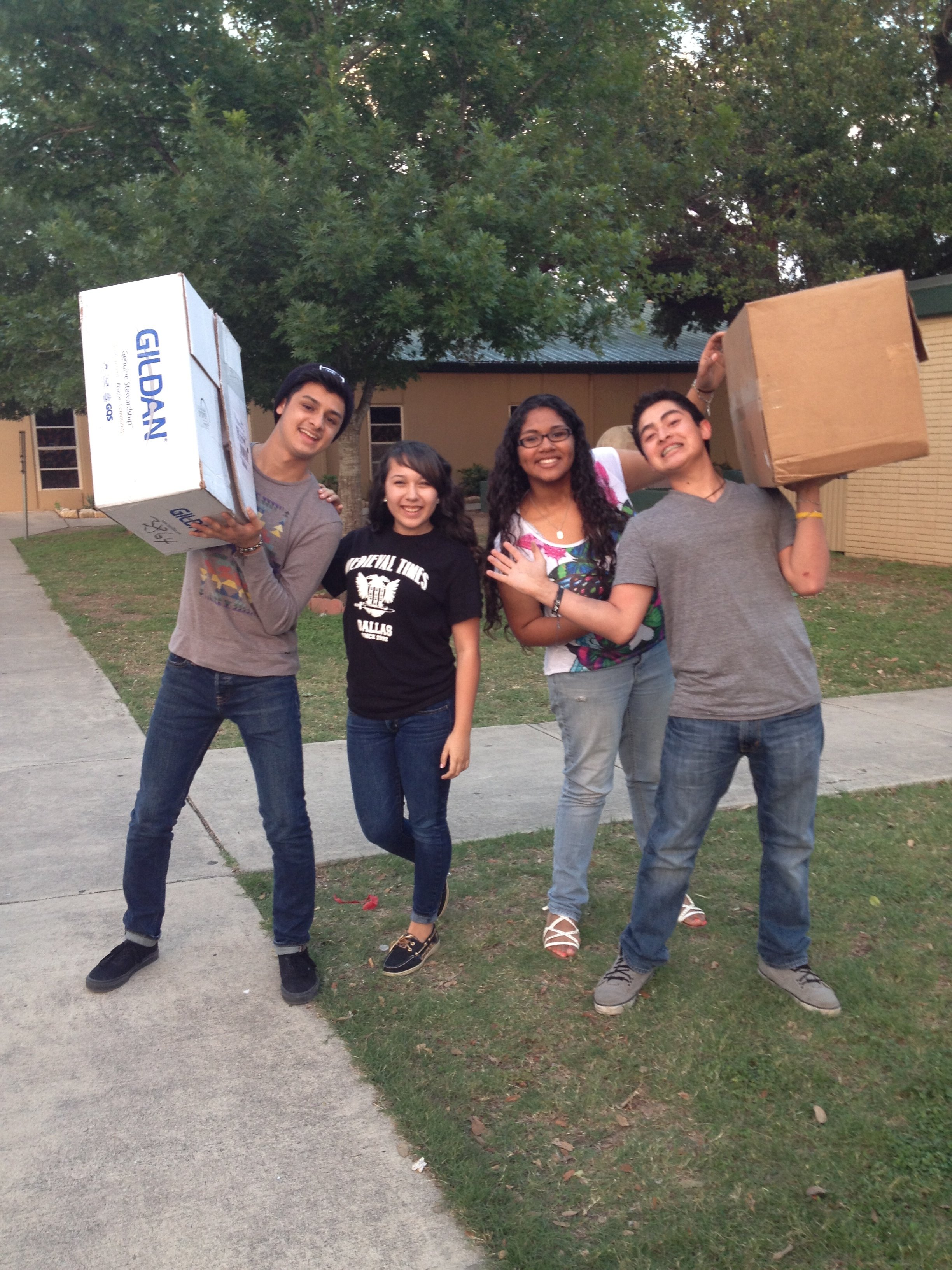
Missionhurst evangelizes among the urban and rural poor of the Hispanic community with three parishes in San Antonio’s West Side, and in two parishes in outlying areas. An international team also serves in the Diocese of Brownsville near the Mexican border, one of the poorest dioceses in the United States.
Arlington, Virginia
At “Missionhurst,” the idyllic 11-acre Arlington hilltop property from which Missionhurst-CICM gets its name, several missionaries oversee the necessary administrative and fundraising functions of the religious order. They minister in several Virginia parishes, and Missionhurst also offers hospitality for spiritual retreats at the Missionhurst house and chapel.
Raleigh, North Carolina
North Carolina was among the first places missionaries came in the United States, on a rural mission that also included vast counties in Virginia. True to their mission among the rural poor, they continue to pastor where needed.
New York, NY
Early missionaries in the United States came with a commission to support the neglected African American Catholic community. In New York, missionaries continue to serve as school and prison chaplains, and pastors.
Belgium
Fr. Theophile Verbist founded the Mother House of the Congregation of the Immaculate Heart of Mary began in Scheut, a suburb of Brussels, Belgium. Since then, Belgium has led among missionaries: nearly a century later, 90% of missionaries were still Belgian.
Italy (Headquarters)
Since 1904, the society has had a presence and headquarters in Rome, from which various aspects of the organization and Vatican representation are maintained.
Taiwan
Being and becoming “one heart” and “one soul” by living in international communities and engaging in teamwork with other Christians, one of our primary motives in Taiwan is to bear witness to the universal brotherhood. Through our simple lifestyle, we express our solidarity with the poor, and we are “living witnesses” through modesty, hospitality and unity among the greater universal Church of Jesus Christ.